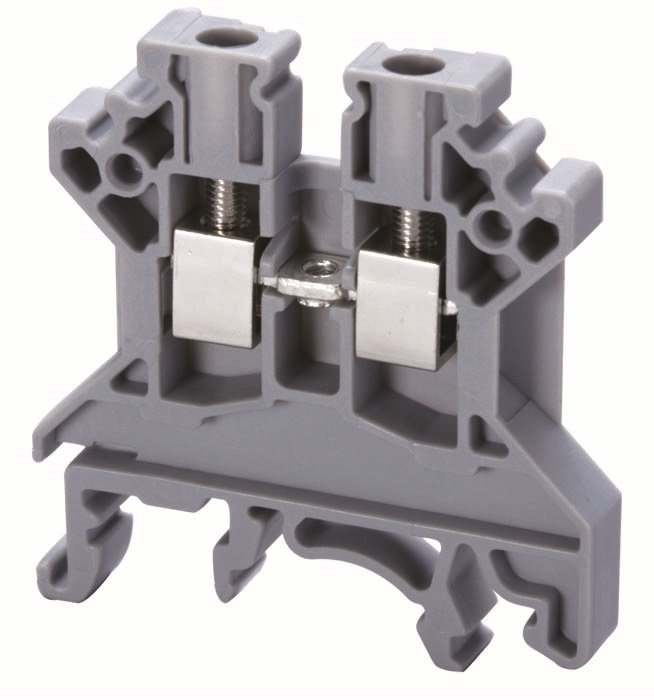

Description
Close Type Terminal block
- A Close Type Terminal Block is a type of electrical connector designed to provide secure and reliable connections for wiring in various electrical and electronic applications. Unlike open terminal blocks, close type terminal blocks feature a housing or enclosure that covers the connections, offering enhanced protection and safety.
Technical Specifications
- Insulating Material: Phenol formaldehyde resin
- Ways: 12 ways; Can be customized from 1 way to 11 ways
- Rated operating voltage: 500 V. AC
- Rated and uninterrupted current: 5A, 10A, 15A and 30A
- Ambient temperature: -10 ° C to 55° C
- Rated Operating Frequency: 50 Hz/60 Hz
- Rated impulse voltage: 2.5 Kv for one minute
- Insulation Resistance: >20 Mega Ω
Material Quality used for Close Type Terminal Block
- The Euro Series terminal blocks, rigid type terminal blocks, and SURAJ make Close Type terminal Blocks are specifically made to be touch proof. The best phenol formaldehyde resin (Bakelite), low-density plastic (LDP), and polybutylene terephthalate (PBT), an insulating base material, are used in the transmission of electrical control signals. PBT is a material that is unbreakable, non-hygroscopic, highly insulating resistant, and able to endure high impulse voltages.
- Superior grade copper alloys with the ideal ratio of copper to zinc are used to make the electrical conductors, resulting in low temperature rise and little transmission loss of electric current within predetermined bounds. High tensile mild steel is used to make the screws, however brass and stainless steel 304 grade are other customized options available. The mild steel screws underwent zinc passivation, utilizing a particular grade of zinc that is resistant to corrosion even under extreme conditions for extended periods of time. Bright nickel is applied on brass screws.
Features of Close Type Terminal Block
- Enclosed Design: The enclosed housing protects the connections from dust, moisture, chemicals, and physical damage. Reduces the risk of accidental contact with live terminals, enhancing user safety.
- Connection Types: Screw Terminals: Allow for secure connections using screws to clamp the wires.
- Spring-Close Terminals: Use a spring mechanism to automatically secure the wire, facilitating quicker connections without tools.
- Barrier Strips: Prevent accidental short circuits by providing physical separation between terminals.
- Modularity: Can be easily expanded by adding more modules to accommodate additional connections. Facilitates easy reconfiguration or maintenance of connections without major rewiring.
- Insulation and Labeling: Provides electrical insulation, reducing the risk of short circuits. Often come with labeling areas or color-coding to simplify identification of connections.
Benefits of Close Type Terminal Block
Close Type Terminal Blocks offer a robust solution for secure and reliable electrical connections. Their enhanced safety features, environmental protection, durability, and organized wiring make them a preferred choice in many demanding applications. Investing in closed terminal blocks can lead to improved system performance, easier maintenance, and long-term cost savings.
Close Type Terminal Blocks are widely used in electrical and electronic applications for connecting wires and components securely. They feature an enclosed or insulated housing that offers several advantages over open-type or non-insulated terminal blocks.
- Enhanced Safety : The enclosed design minimizes the risk of accidental contact with live terminals, reducing the chances of electric shocks. Superior insulation properties prevent short circuits and electrical faults by keeping conductors isolated.
- Environmental Protection : The closed housing protects the connections from dust, moisture, and other environmental contaminants, ensuring reliable performance in various conditions. Many closed terminal blocks are made from materials that resist corrosion, extending their lifespan in harsh environments.
- Improved Durability : The enclosure shields the terminals from mechanical stress, vibration, and physical impacts, enhancing the overall durability of the connections. By protecting against environmental and mechanical factors, closed terminal blocks typically have a longer operational life compared to open types.
- Neat and Organized Wiring : Closed terminal blocks often feature a compact and organized layout, which helps in maintaining a tidy wiring system. The enclosed design can simplify the installation process by keeping wires neatly contained and reducing clutter.
- Superior Insulation : Closed terminal blocks provide high insulation resistance, which is crucial for preventing electrical leakage and ensuring signal integrity in sensitive applications. Some closed types are designed to manage heat more effectively, which is important for maintaining performance and safety in high-current applications.
- Ease of Maintenance : Enclosed designs often allow for easier identification and access to connections, facilitating maintenance and troubleshooting. Closed terminal blocks frequently include features that make it easier to label and identify different connections, improving overall system manageability.
- Versatility and Adaptability : Available in various sizes, configurations, and mounting options, closed terminal blocks can be adapted to a wide range of applications and installation environments. They are compatible with various wire types and sizes, providing flexibility in different electrical setups.
Features of Close Type Terminal Block
- Industrial Automation: Used in control panels, PLCs (Programmable Logic Controllers), and machinery for organizing and connecting wiring.
- Electrical Distribution: Employed in power distribution boards, switchgear, and substations to manage electrical connections efficiently.
- Telecommunications: Utilized in networking equipment and telecommunication infrastructure for reliable signal connections.
- Consumer Electronics: Found in appliances, computers, and other electronic devices to facilitate internal wiring connections.
- Automotive: Used in vehicle electronics for connecting various components securely.