Reliable Electrical Solutions for the Renewable Energy Industry
Renewable energy is all about building a cleaner future but behind every solar panel or wind turbine, there’s a network of electrical components that keeps everything running smoothly. And those components need to be strong, safe, and reliable.
At Bharat Trading Company (BTC), we supply electrical products that support solar, wind, hydro, and hybrid energy systems. From cables and cable lugs to glands and other essential accessories, we provide the parts that help to create secure and long-lasting electrical connections.
Solar farms, wind turbines, and hydro systems all operate under changing weather conditions. That’s why durability and performance matter. We ensure that every product we supply supports long-term reliability and stable energy flow.
From small-scale rooftop solar projects to large utility-scale renewable installations, BTC provides the dependable components that keep clean energy flowing smoothly.
Renewable Energy – What It Means & How BTC Supports It
Renewable energy is electricity produced from natural sources such as sunlight, wind, water, and biomass. These sources are continuously replenished and help create a cleaner and more sustainable power system. Because renewable plants operate in outdoor and demanding conditions, they require strong and reliable electrical components.
Bharat Trading Company (BTC) supports this sector by supplying durable products like DC solar cables, armoured AC cables, cable lugs, glands, heat-shrink insulation, and cable management systems. With renewable projects rapidly growing across India, including Pune, Rajasthan, Gujarat, Bengaluru, Hyderabad, and Chennai, BTC provides dependable electrical solutions that help renewable energy systems operate safely, efficiently, and reliably for the long term.
What Is the Food & Beverage Industry and How Does BTC Support It?
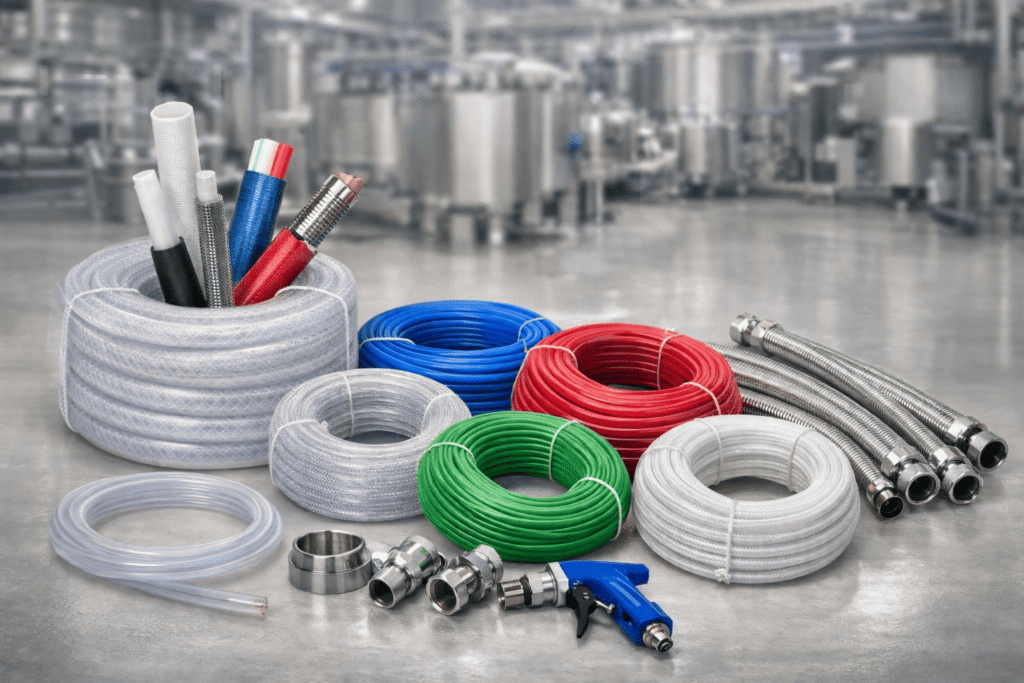
The food and beverage industry is all about bringing safe, high‑quality products to people every day. It covers everything from processing raw ingredients to manufacturing, packaging, and distributing food and drinks. This is all done under strict hygiene and safety standards. Because even the smallest disruption can affect production, this industry relies on systems that are reliable, efficient, and built to last. That’s where Bharat Trading Company (BTC) comes in. And, we proudly support this industry by supplying best-in-class electrical solutions that help to keep these plants run safely and smoothly. Our range includes durable power cables, precise control and instrumentation wiring, and accessories designed to handle heat, moisture, and demanding environments. From lugs and glands to heat‑shrink insulation and organised cable management solutions, we ensure that your operations stay safe, compliant, and continuously powered. With BTC, you don’t just get products, you get peace of mind knowing your plant is supported by electrical solutions built for performance and reliability.
Where BTC Products Are Used in Renewable Energy Projects
Renewable energy systems involve much more than just panels or turbines. Behind every installation, there is a complete electrical network that connects, controls, protects, and distributes power. At Bharat Trading Company (BTC), our products are used across different stages of renewable energy generation and distribution.
Solar Energy Systems
- Connecting PV modules to combiner boxes
- DC cable connections between solar panels and inverters
- Inverter-to-AC panel cabling
- Proper earthing and protective grounding systems
- Wiring for solar tracking motor systems
- Safety wiring in rooftop solar installations
- Solar-powered water pumping systems
Wind Energy Systems
- Nacelle and rotor wiring
- Tower power circuits
- Turbine control panels
- Outdoor substations
- Monitoring and communication systems
Hydropower Plants
- Tunnel and internal lighting systems
- Generator control wiring
- Panel cabling in humid areas
- Pump and motor connections
- Instrumentation and monitoring systems
Biomass and Waste-to-Energy Plants
- Boiler control wiring
- Emission monitoring systems
- Turbine power distribution
- High-temperature operating zones
Hybrid Microgrids & Energy Storage Systems
- Battery connection circuits
- Control and monitoring cables
- DC and AC integration wiring
Overview of Electrical Requirements in Food & Beverage Processing Facilities
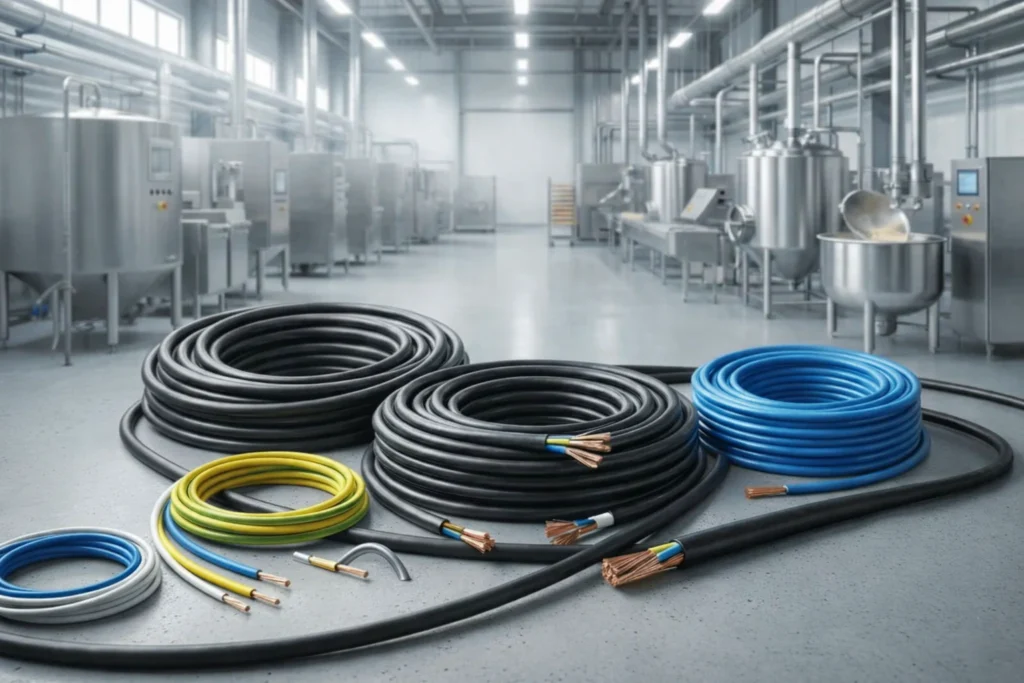
Food and beverage processing plants across India including cities like Pune, Mumbai, Nashik, Aurangabad, Bengaluru, and Hyderabad, run in environments where hygiene, safety, and nonstop production are non‑negotiable.
Electrical systems in such plants need to perform reliably to meet strict regulatory standards while handling daily challenges like moisture, frequent washdowns, changing temperatures, and round‑the‑clock operations.
To keep these plants running smoothly, electrical systems need to be tough, reliable, and built for long service life. That’s exactly what Bharat Trading Company (BTC) delivers.
Bharat Trading Company (BTC) supplies electrical products that are specifically suited for these challenging conditions.
Our solutions are designed to deliver consistent performance, long service life, and a high level of safety, helping food and beverage manufacturers maintain smooth operations and stay compliant with industry requirements.
Product Categories for the Renewable Energy Industry
Solar DC Cables (Single & Twin Core)
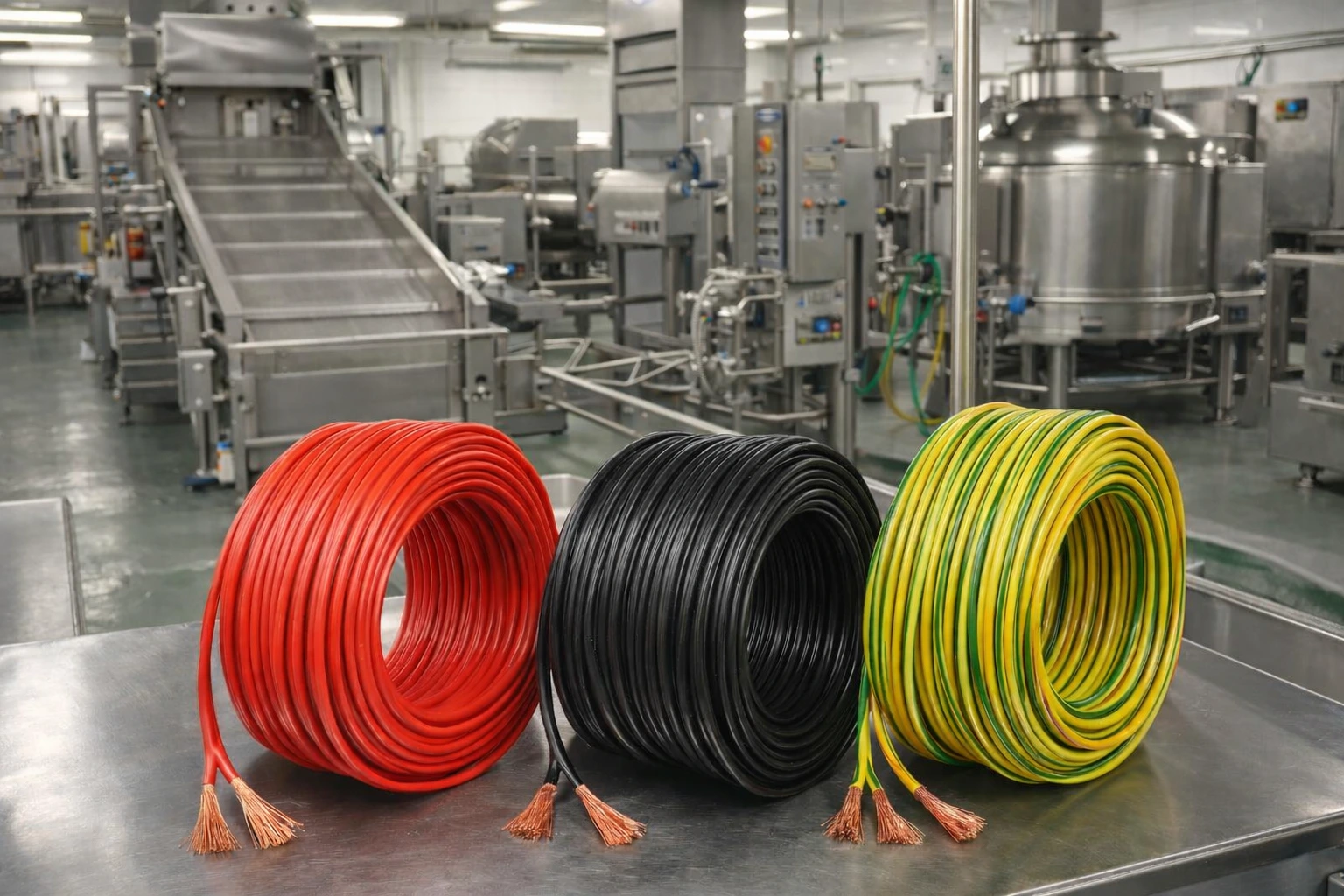
Our solar DC cables are specially designed for safe and efficient photovoltaic (PV) wiring. They are built to handle high DC voltage, UV exposure, and extreme weather conditions, making them ideal for long-term outdoor use in solar installations.
Explore Solar DC Cables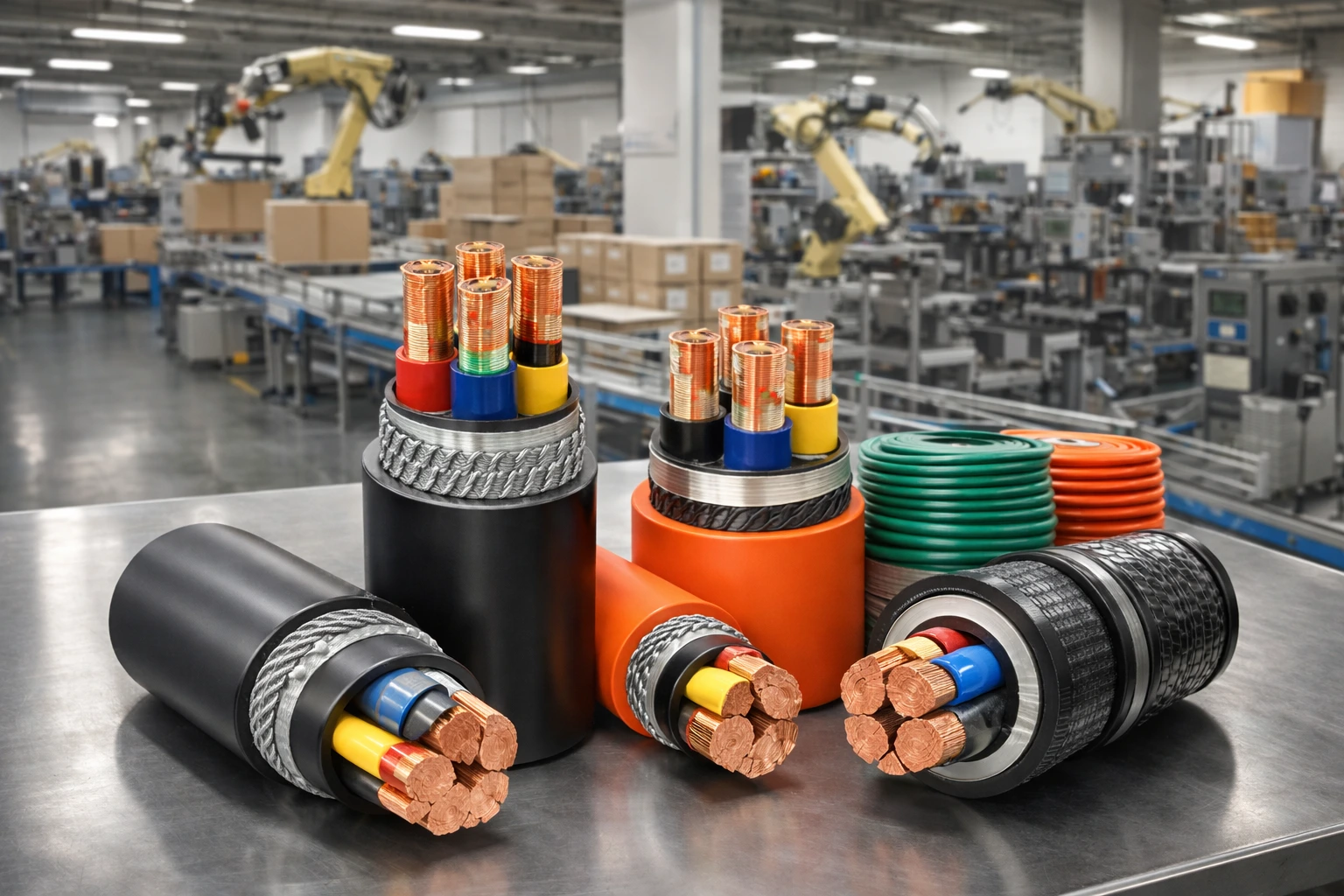
Armoured & Unarmoured Power Cables
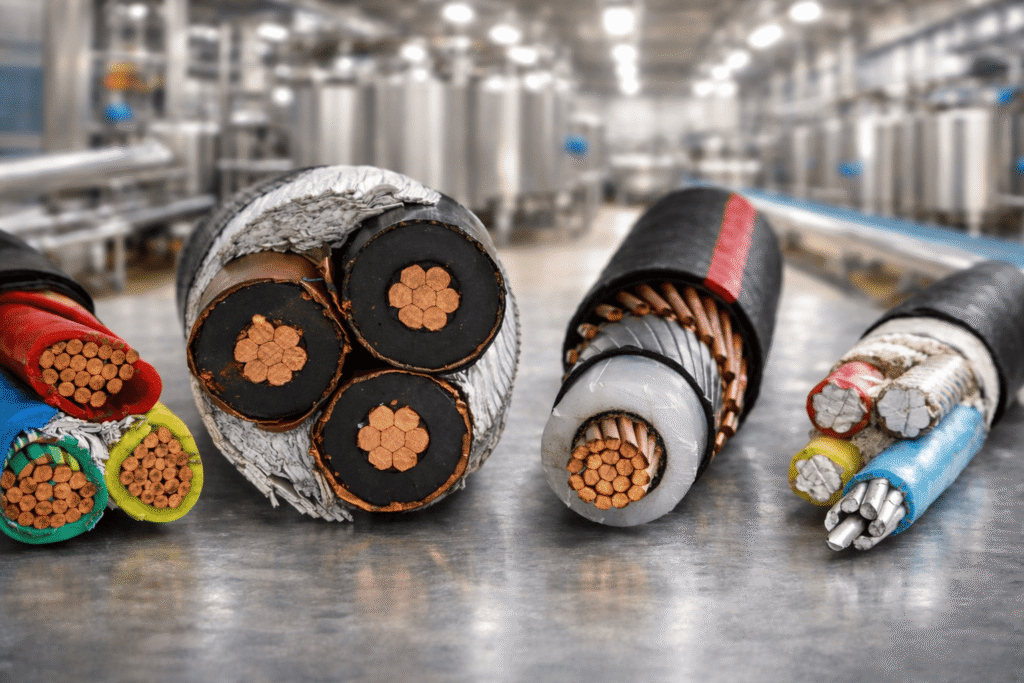
These cables are widely used for AC power distribution, transformer connections, and main supply lines within renewable energy plants. Armoured cables provide additional mechanical protection for underground and exposed installations.
View Power Cables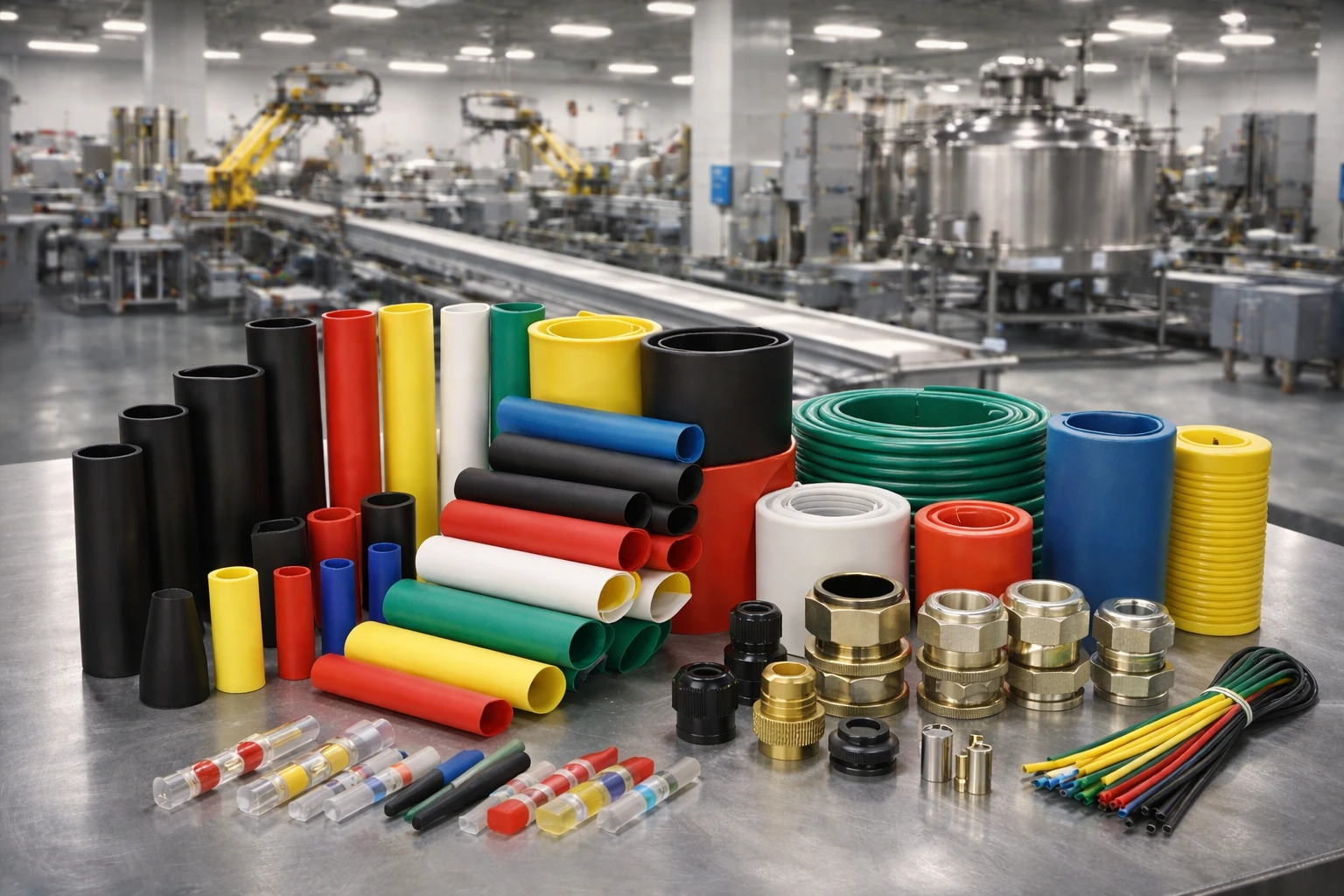
Control & Instrumentation Cables
Control and instrumentation cables play a vital role in monitoring and automation systems. They are used in SCADA systems, control panels, and communication networks to ensure smooth and accurate plant operations.
Explore Control Cables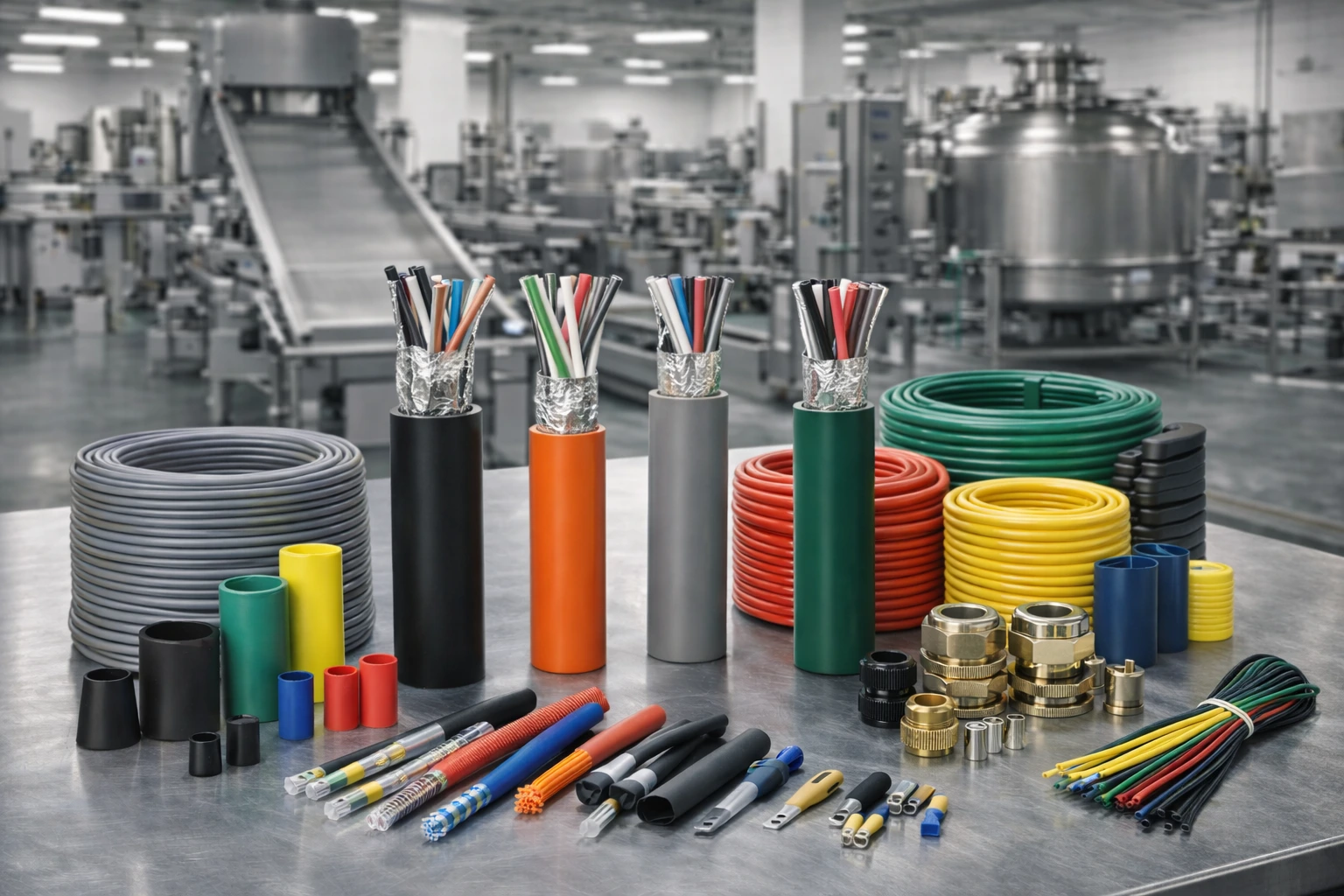
Cable Lugs & Cable Glands (Copper & Aluminum)
Proper terminations are critical for safe electrical connections. Our copper and aluminum cable lugs and glands are used in inverters, panels, and distribution systems to ensure secure, vibration-resistant, and long-lasting connections.
Browse Lugs & Glands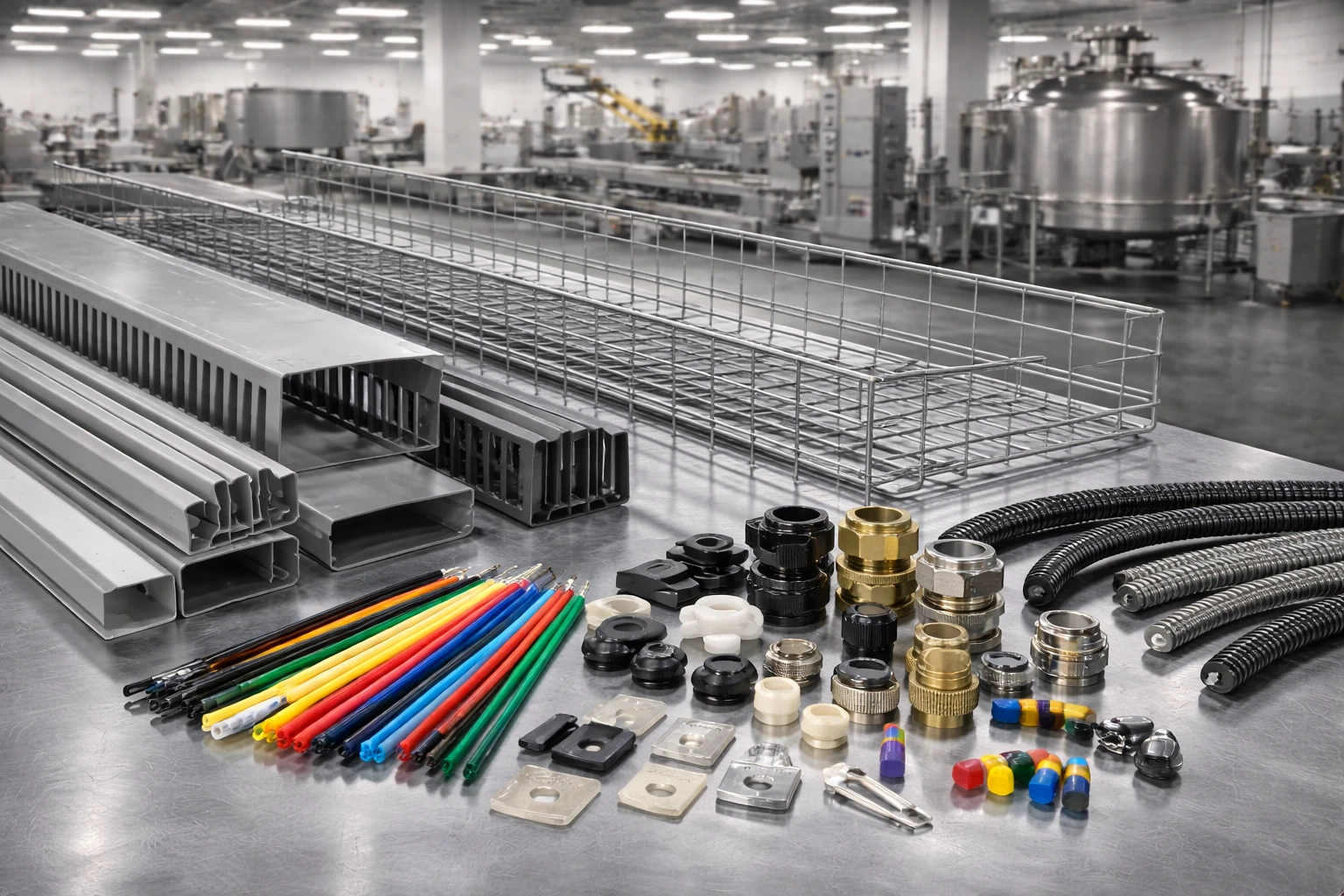
Heat Shrink Sleeves & Insulation Kits
Outdoor renewable installations require strong protection against moisture, dust, and environmental exposure. Our heat shrink sleeves and insulation kits provide reliable weatherproof sealing and added electrical safety.
Discover Heat Shrink Solutions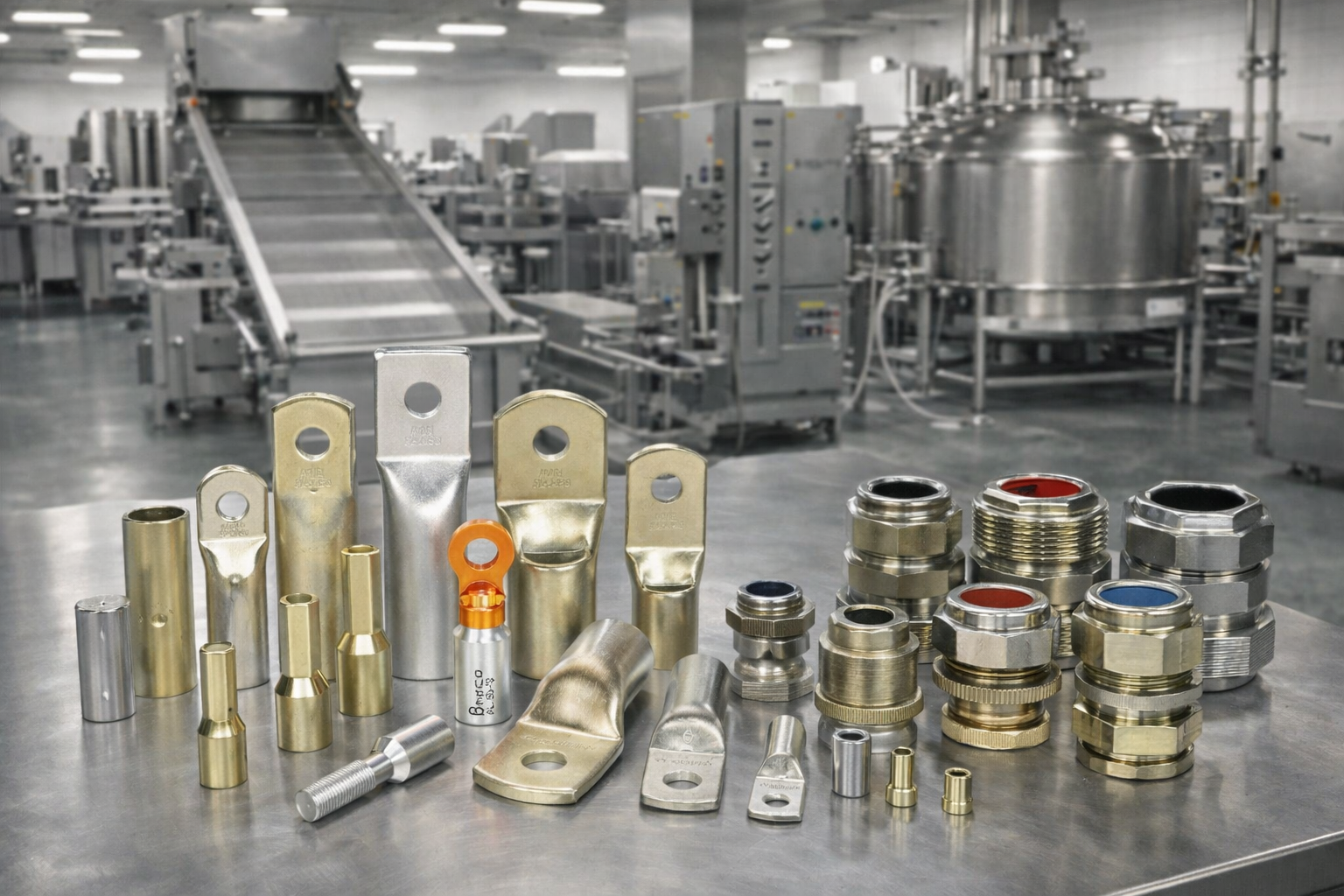
Cable Management Systems
Organized cabling improves safety, efficiency, and maintenance. We supply cable trays, ducts, conduits, clamps, and ties that help keep installations neat, secure, and compliant with safety standards.
Explore Cable Management SolutionsWhy Does Renewable Energy Matters?
Renewable energy plays an important role in building a cleaner and more sustainable future. It helps to reduce carbon emissions, lowers dependence on traditional fossil fuels, and supports national goals for energy security and environmental responsibility.
Modern renewable energy plants are designed to operate efficiently for 20 to 25 years or even longer. But long-term performance doesn’t depend only on panels or turbines, it also depends on the quality of the electrical components that connect and protect the entire system.
At Bharat Trading Company (BTC), we understand how critical these details are. That’s why we supply dependable cables, lugs, glands, insulation solutions, and accessories that support efficient energy generation and long-term reliability.
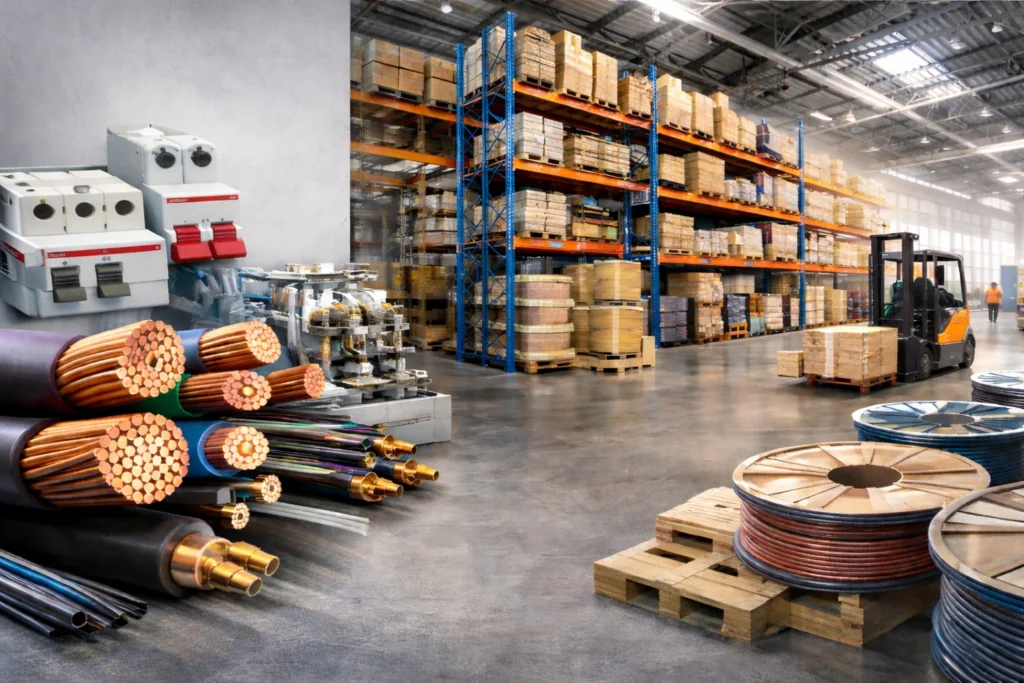
Why Electrical Reliability Matters in the Food & Beverage Industry?
In the food and beverage industry, reliability isn’t just about keeping the lights on and cooking, it’s about protecting products, people, and processes. Even a short electrical disruption can cause production delays, spoil batches, create safety risks, or lead to non‑compliance with strict regulations. Every part of a plant from mixers and ovens to chillers, conveyors, and packaging machines every element depends on stable power and precise control to run smoothly. When electrical systems fail, the impact is immediate and costly. That’s why high‑quality electrical components make all the difference. They help to prevent unplanned shutdowns, safeguard sensitive equipment, and support hygienic operations by ensuring all the installations are safe, organised, and built to last. By choosing BTC’s reliable solutions, food and beverage facilities industry owners can focus on smooth production and consistent output without unexpected interruptions.
Comparison Guide: Choosing the Right Electrical Components
| Comparison Area | Better Option | Why It Matters |
|---|---|---|
| Outdoor Solar Installations | Solar DC Cables | Although both solar DC cables and standard DC cables carry direct current, they are designed for different environments. Solar DC cables are specifically manufactured for photovoltaic (PV) systems and feature UV-resistant insulation, double-layer protection, and materials capable of withstanding extreme heat, sunlight exposure, and high DC voltage for extended periods. They are designed to last 20–25 years, matching the lifespan of solar panels. Standard DC cables lack these specialized protections and may degrade more quickly when used outdoors. |
| High-Efficiency Power Transmission | Copper Power Cables | Copper cables provide higher electrical conductivity, allowing better current-carrying capacity with lower resistance. They are strong, durable, and suitable for installations where maximum efficiency, reliability, and compact cable sizing are important. Their superior conductivity helps reduce energy losses and improve overall system performance. |
| Long-Distance & Cost-Optimized Installations | Aluminum Power Cables | Aluminum cables offer a more economical solution for renewable energy projects, especially where long cable runs are required. While their conductivity is lower than copper, their lighter weight and lower cost make them a practical choice when budget optimization is a priority. They help reduce project costs without significantly compromising performance in suitable applications. |
| General Fire-Safe Installations | FRLS Cables | FRLS (Flame Retardant Low Smoke) cables are designed to limit flame propagation and reduce smoke generation during a fire. They are widely used in residential, commercial, and rooftop solar installations where improved fire safety is required. Compared to standard cables, they provide greater protection for occupants and electrical systems during fire incidents. |
| Critical Enclosed Spaces & Public Buildings | LSZH Cables | LSZH (Low Smoke Zero Halogen) cables provide an enhanced level of fire protection by emitting very little smoke and no halogen gases when exposed to fire. This reduces the risk of toxic fumes and improves visibility during evacuation. They are particularly suitable for enclosed environments, commercial facilities, and critical infrastructure where occupant safety is a top priority. |
By matching the right cable to the right environment, food and beverage companies can reduce risks, improve efficiency, and keep operations running smoothly.
Types and Categories of Renewable Electrical Systems
Renewable energy is not limited to just one type of system. There are several categories, each designed for different applications, environments, and energy needs. While the source of energy may vary, all these systems rely on strong and dependable electrical infrastructure to operate efficiently. Here’s a simple overview of the main types of renewable electrical systems:
- Solar PV Systems: Solar photovoltaic (PV) systems are among the most widely used renewable solutions today. They can be installed as large utility-scale solar farms, commercial and industrial rooftop systems, hybrid setups combined with other energy sources, or completely off-grid systems for remote areas. Each type requires reliable DC and AC cabling to ensure safe and efficient power generation.
- Wind Energy Systems: Wind energy systems convert wind movement into electrical power. These can be large onshore wind farms, offshore installations located at sea, or smaller micro-wind systems for localized use. Because of constant movement and outdoor exposure, wind systems demand durable, flexible, and vibration-resistant electrical components.
- Hydropower Plants: Hydropower systems generate electricity from flowing water. They range from small hydro and mini hydro projects to large pumped-storage plants used for energy balancing. Since these installations operate in moisture-heavy environments, waterproof and well-insulated electrical systems are essential.
- Biomass & Biogas Systems: Biomass and biogas plants generate energy from organic materials such as agricultural waste, industrial by-products, or pellets. These systems often include steam turbines and industrial biogas setups. Electrical components used here must handle heat, continuous operation, and sometimes chemical exposure.
- Hybrid Microgrids: Hybrid microgrids combine multiple energy sources typically solar, wind, and battery storage to create a stable and independent power supply. These systems are commonly used in rural areas, industrial campuses, or facilities seeking energy reliability and cost savings.
- Energy Storage Systems: Energy storage systems play a critical role in managing renewable power. Technologies such as lithium-ion batteries, lead-acid batteries, and Battery Energy Storage Systems (BESS) store excess energy for later use. These systems require high-quality DC wiring and protective accessories to manage stored energy safely.
Key Challenges in Renewable Energy Electrical Infrastructure
- Constant Outdoor Exposure:olar panels and wind turbines operate in open environments. They are exposed to intense sunlight, high temperatures, heavy rain, dust, and continuous UV radiation. Over time, poor-quality cables can crack, fade, or lose insulation strength.
- High DC Voltage in Solar Plants: Most solar power plants operate between 600V and 1500V DC. This creates significant electrical stress on cables and connectors. Without proper insulation and high-conductivity materials, there is a risk of overheating or power loss. Double-insulated, fire-safe cables made from high-purity copper are essential for safe and efficient operation.
- Vibration in Wind Turbines: Wind turbines are constantly in motion. The rotation of blades and tower movement creates ongoing vibration and mechanical stress.
- Moisture in Hydropower Plants: Hydroelectric stations operate in water-rich environments where humidity and moisture are always present. Electrical components must be properly insulated and waterproof to avoid short circuits and corrosion. Using weatherproof cables and secure sealing solutions ensures long-term safety.
- Corrosion in Biomass and Coastal Areas: Biomass plants and coastal installations often deal with chemical exposure, salt-laden air, and high moisture levels. These conditions can accelerate corrosion if materials are not properly protected. Corrosion-resistant cables and accessories help to maintain system integrity and reduce maintenance issues.
- Long Cable Runs in Large Solar Farms: Large solar parks require power to be transmitted across long distances within the site. This makes cable quality extremely important. Low-loss, armoured cables are used to minimize voltage drop and protect against mechanical damage during installation and operation.
Who Needs These Renewable Energy Solutions the Most?
Solar EPC Contractors
Wind Turbine Manufacturers
Renewable Energy Developers
Hydropower Authorities
Commercial & Industrial Rooftop Installers
Battery Energy Storage System (ESS) Integrators
Energy storage systems demand high-current DC wiring and protective accessories that can safely manage stored energy. Secure connections and reliable insulation are critical to prevent overheating and ensure long-term performance.
Food Processing and Manufacturing Companies
For companies that prepare and process food, safe and dependable electrical systems are the backbone of production. Without them, maintaining product quality and meeting hygiene standards becomes a challenge. BTC’s solutions help you to keep your production environment running smoothly while maintaining consistent product quality and meeting hygiene standards.
Beverage Manufacturers and Bottling Plants
System Integrators and Automation Contractors
Plant Owners and Operations Managers
Maintenance and Engineering Teams
Features and Benefits of BTC Electrical Components
Long Operational Life (20–25 Years)
UV & Weather Resistant
High DC Voltage Endurance
Fire-Safe FRLS / LSZH Options
High Flexibility for Wind Turbines
Low Voltage Drop for Better Efficiency
Anti-Corrosion Performance
Minimal Maintenance Requirements
Step-by-Step: How Renewable Energy Systems Operate
Power Generation
The process begins with energy generation. Solar panels capture sunlight, wind turbines convert wind movement into electricity, and hydro turbines generate power from flowing water. At this stage, raw electrical energy is produced.
DC Collection and Wiring
Conversion (Inverter or Turbine Controller)
AC Power Distribution
Monitoring and Automation
Storage or Grid Export
Frequently Asked Questions (FAQs)
Q1: What types of cables are most suitable for solar plants?
For solar installations, specially designed solar DC double-insulated cables are the best choice for connecting panels and handling high DC voltage safely. For AC power distribution such as from the inverter to transformers or panels XLPE armoured AC cables are commonly used. These cables are built to handle outdoor conditions and long-term operation.
Q2: Why is UV resistance important in renewable energy cables?
Most solar and wind systems are installed outdoors and remain exposed to direct sunlight for years. UV-resistant insulation prevents the cable material from cracking, fading, or deteriorating due to constant sun exposure. This significantly increases cable lifespan and ensures long-term reliability.
Q3: Can aluminum cables be used in solar farms?
Q4: What accessories are essential for renewable energy systems?
Q5: How long do renewable energy cables typically last?
High-quality renewable energy cables are designed to last around 20–25 years, matching the lifespan of solar panels and wind systems. Proper installation, correct sizing, and regular inspection further ensure long-term performance.
Q1. What type of cables are best for food processing plants?
Q2. Why is organised cable management important in food plants?
Q3. Can standard industrial cables be used in washdown areas?
Q4. How long do food-grade electrical installations last?
Contact Bharat Trading Corporation
Need help choosing the right product or have a specific requirement? Our team is here to assist you.